Marine Invertebrate Ecology
Marine Invertebrate Ecology
US$95 per person
Invertebrates were the first animals to exist on Earth and have been here for over 500 million years. This program explores the biology and behavior of these fascinating creatures, from the simple sponge to the complex octopus. This course is your chance to learn what makes an invertebrate an invertebrate, how they have evolved over time, and how to identify various species.
By participating in the Marine Invertebrate Ecology program, you will gain the knowledge and skills to understand their economic and ecological importance and the threats they face from issues like climate change and pollution.
What you will learn
- The key characteristics that distinguish simple and complex invertebrates.
- How to identify common species of sponges, jellyfish, flatworms, annelids, mollusks, arthropods, and echinoderms.
- The fascinating behavior of marine invertebrates, including their reproductive methods and defense mechanisms.
- The ecological and economic value of invertebrates and the threats they face from climate change, pollution, and destructive fishing practices.
- Best practices for responsible and safe interaction with marine invertebrates in their natural habitat.
- How conservation efforts like coral nurseries and artificial reefs are helping to protect marine invertebrate populations.
Prerequisites
- Available for ages 6+
- No scuba certification necessary
- Note: All course paperwork will be sent via email to be filled out online before the start date.
What's Included
- Marine Invertebrate Ecology Speciality.
- Includes eLearning
- Instructor-led knowledge review session.
- Upon completion, you will earn the industry recognized Marine Invertebrate Ecology specialty certification.
What's Not Included
- Dive or Snorkel Trip
- Dive rental gear
- Nitrox tanks
- Gratuities
Recommended Add-Ons
Apply your new knowledge with one of our exciting East End snorkel trips or join us as a certified diver on an adventure beyond the barrier reef!
FAQs
The online course content for the SPEC should take a student between 3 and 6 hours to complete. This can be done on a desktop or mobile device.
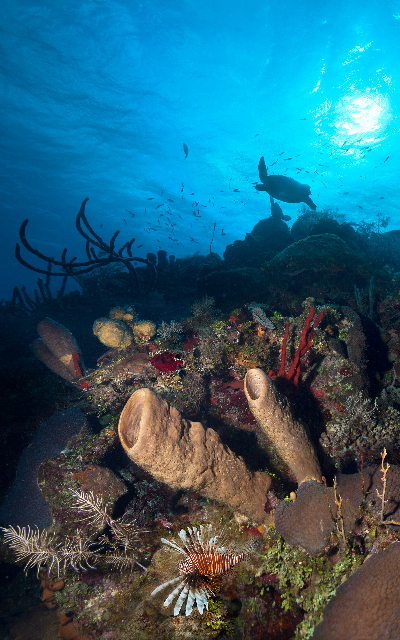
The waters around the Cayman Islands are rich with diverse marine life, including a wide variety of invertebrates. Some of the commonly spotted species include: Barrel Sponge and Orange Elephant Ear Sponge; Elkhorn Coral and Plate Coral; Caribbean Reef Squid and Flamingo Tongues; Caribbean Spiny Lobster and Arrow Crab.
Best Overall in the Caribbean 2024, 2025, 2026
The Frontier Formula
- Award Winning Dive Shop
- Dive-Limo Style Boats
- World Class Dive & Snorkel Sites
- Concierge Level Service
- Friendly, Fun & Experienced Team
- Highest Quality Rental Equipment
- 5 Star Diver Training Facility
- Safety First: Equipped and Certified
- Green Fins Eco-Certified Dive Shop
Marine Invertebrate Ecology
Learn to identify marine invertebrates, from sponges to cephalopods, and understand their vital role in ocean ecosystems. No scuba certification required in this instructor-led specialty for ages 6+.
US $95.00
Duration
Ticket
View More Videos & Photos
Click play, sit back, relax and enjoy a glimpse of what diving in the Cayman Islands with Ocean Frontiers looks like.